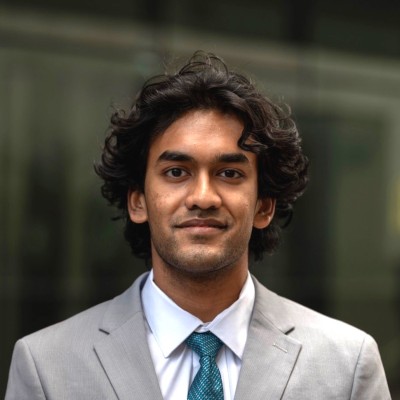
I build at the seam of hardware and software — embedded systems, robotics, controls, and computer vision. From flight-control software to a levitating maglev rig to award-winning sensor-fusion hacks.
⤢ Closer look
I'm an ECE Honors undergraduate at UT Austin who likes problems that don't fit neatly into "hardware" or "software." I've shipped flight-control, maintenance, and testing software at Bell Flight, written OS-level drivers at Qualcomm, built a LiDAR SLAM localization stack with the UT Dallas NOVA team, and architected prototyping, testing, and control solutions at Texas Guadaloop.
My happy place is closing the loop — sensors in, control out — whether that's a maglev yoke holding a gap height, a robot localizing in a crowded atrium, or an mmWave radar finding a person through a wall. I care about systems that are fast, robust, and honest about their limits.
A mix of research, internships, and hackathon wins. Case-study pages are in progress — the Guadaloop rig already has a live 3D walkthrough.
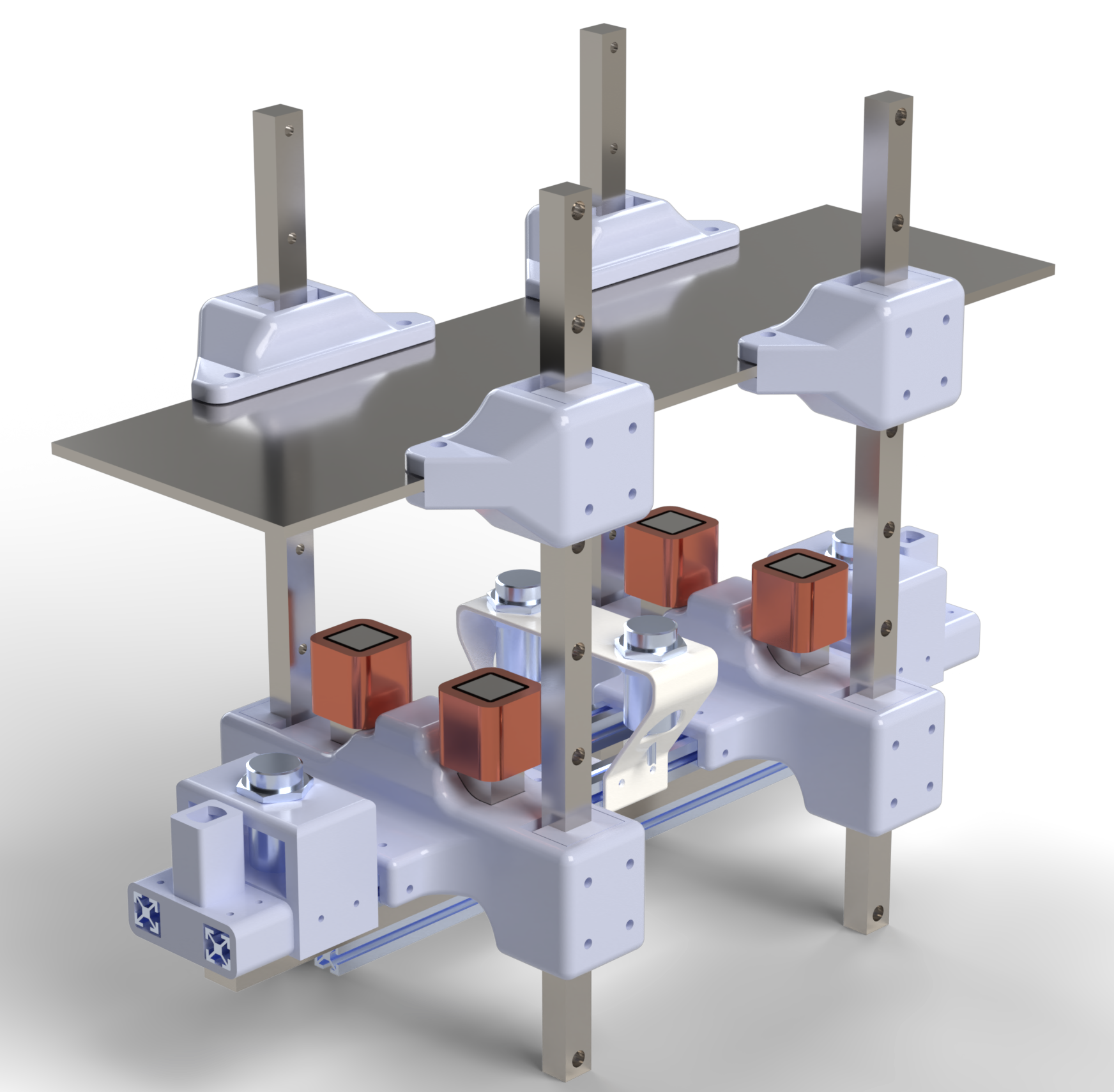
An electromagnetic maglev test rig I lead development on — yoke, coils, gap-height sensors, and slide rails. Built the control stack from hand-tuned PID up toward a reinforcement-learning pipeline for the HEMS system. Explore the assembly in an Apple-style scroll-driven 3D walkthrough.
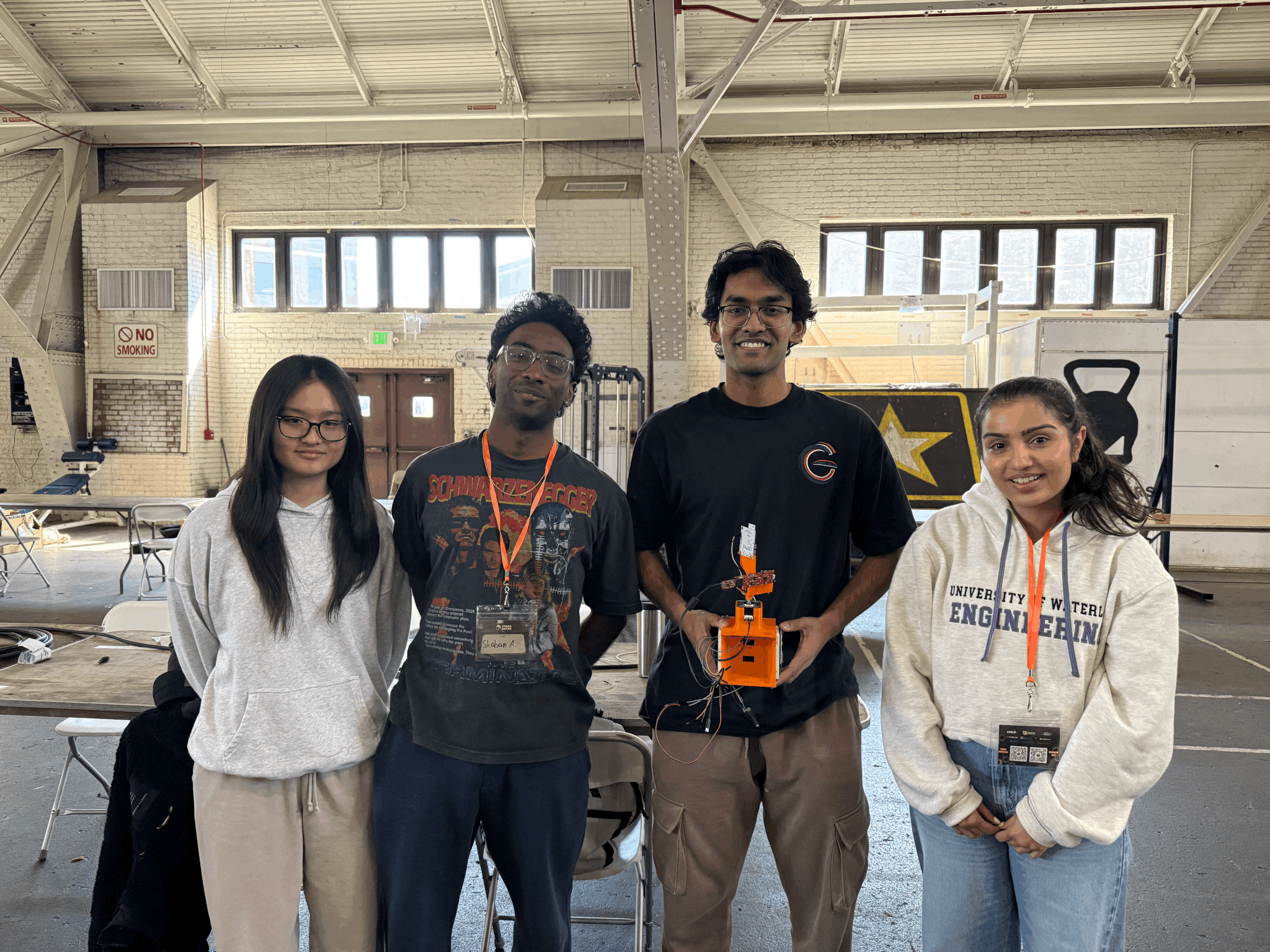
Open the 3D walkthrough →An mmWave + UWB system that locates victims through walls and renders them in a first responder's own AR frame. Won Analog Devices' Sensor Fusion track at Purdue's StarkHacks.
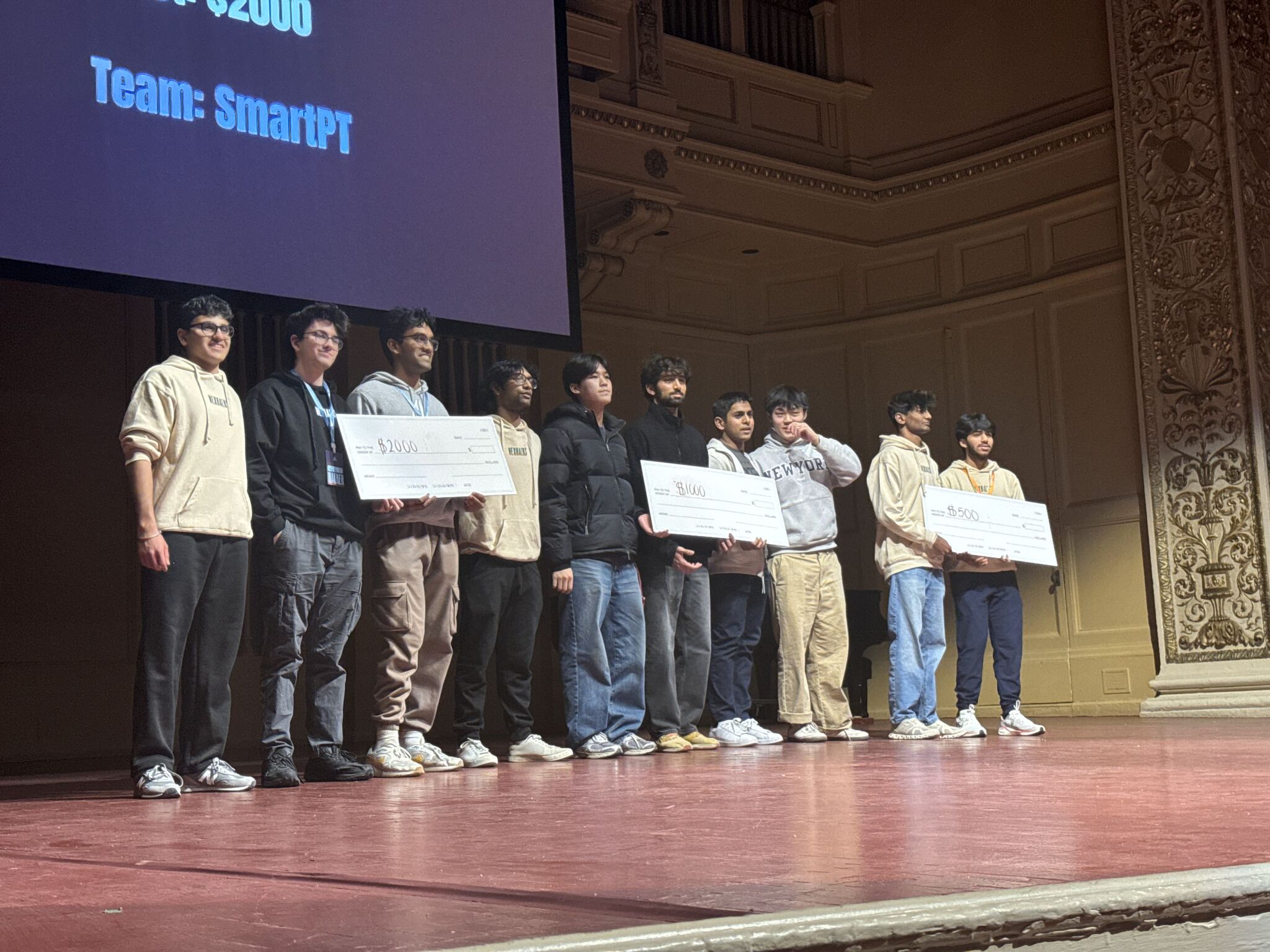
Read case study →A PT app fusing camera 3D pose with an optional ESP32 IMU via an EKF for real-time form feedback. Won the Healthcare track at CMU's Nexhacks; live on TestFlight.
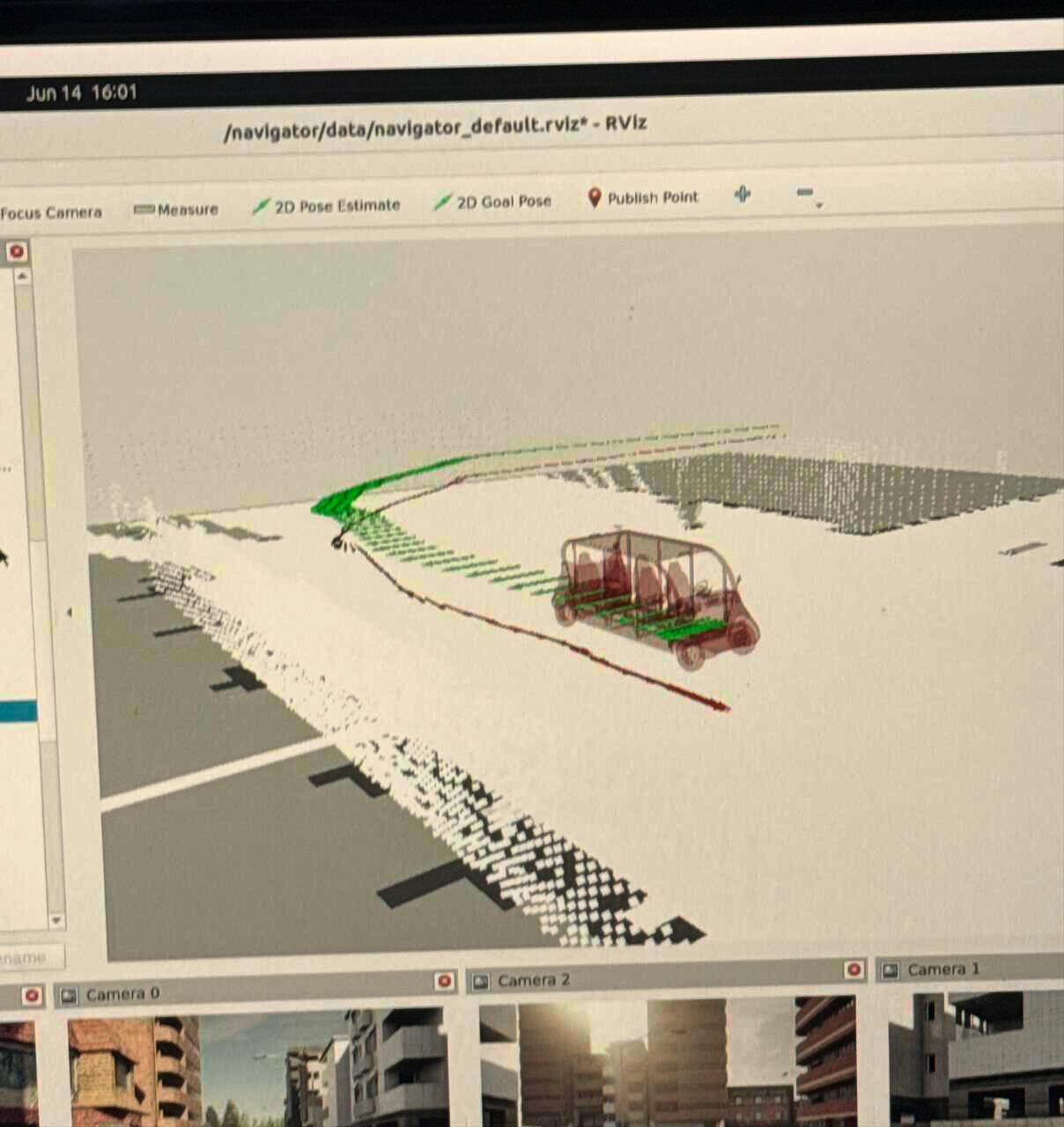
Read case study →A LiDAR SLAM + map-based localization pipeline for UT Dallas NOVA's autonomous vehicle, built on KISS-ICP / Open3D. Fused ICP with feature matching for sub-5 cm accuracy in CARLA.
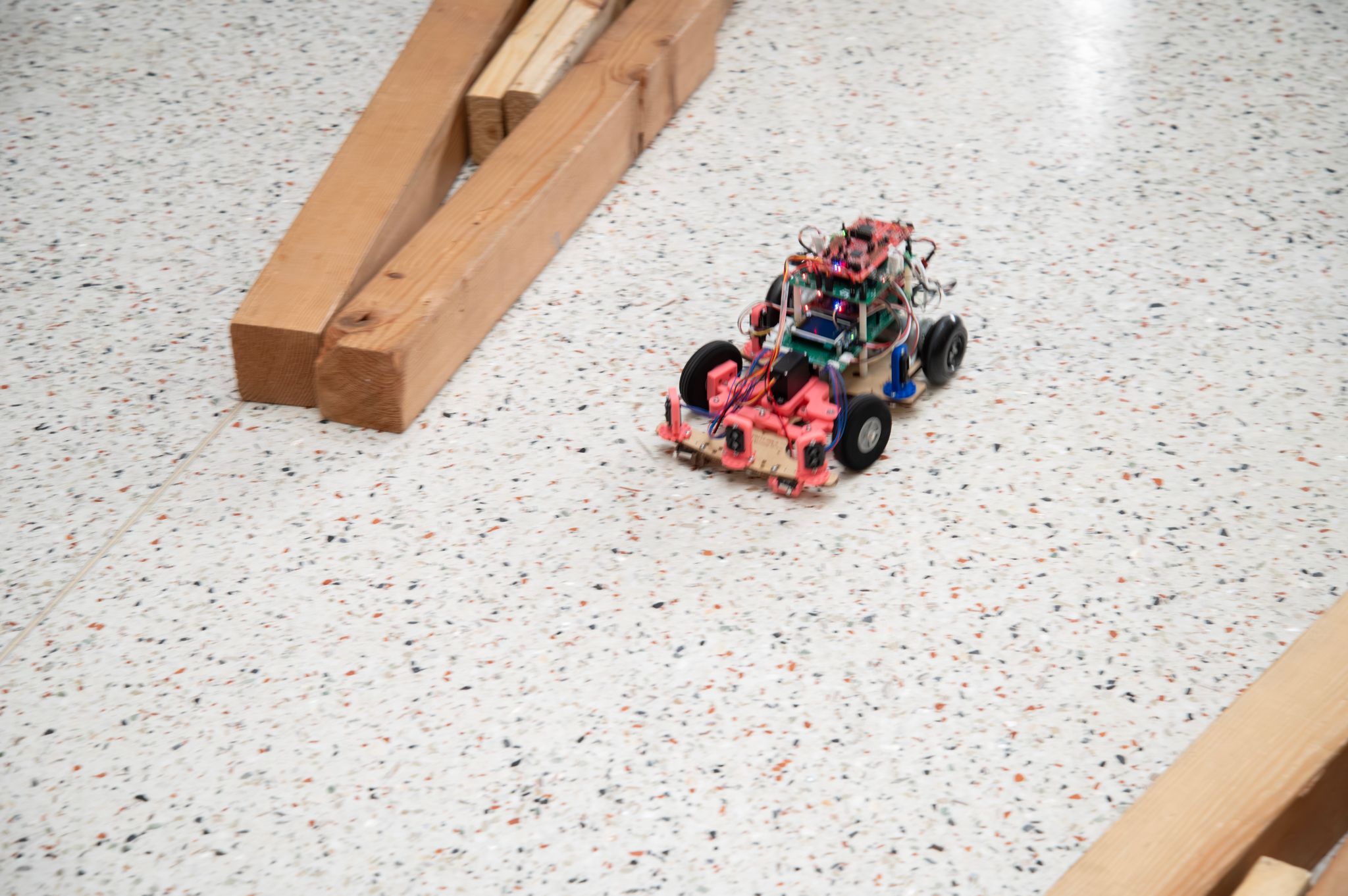
Read case study →An autonomous racer on a custom RTOS — PD wall-following, an RL residual, and a heuristic overtaking state machine. Won the ECE445M final race.
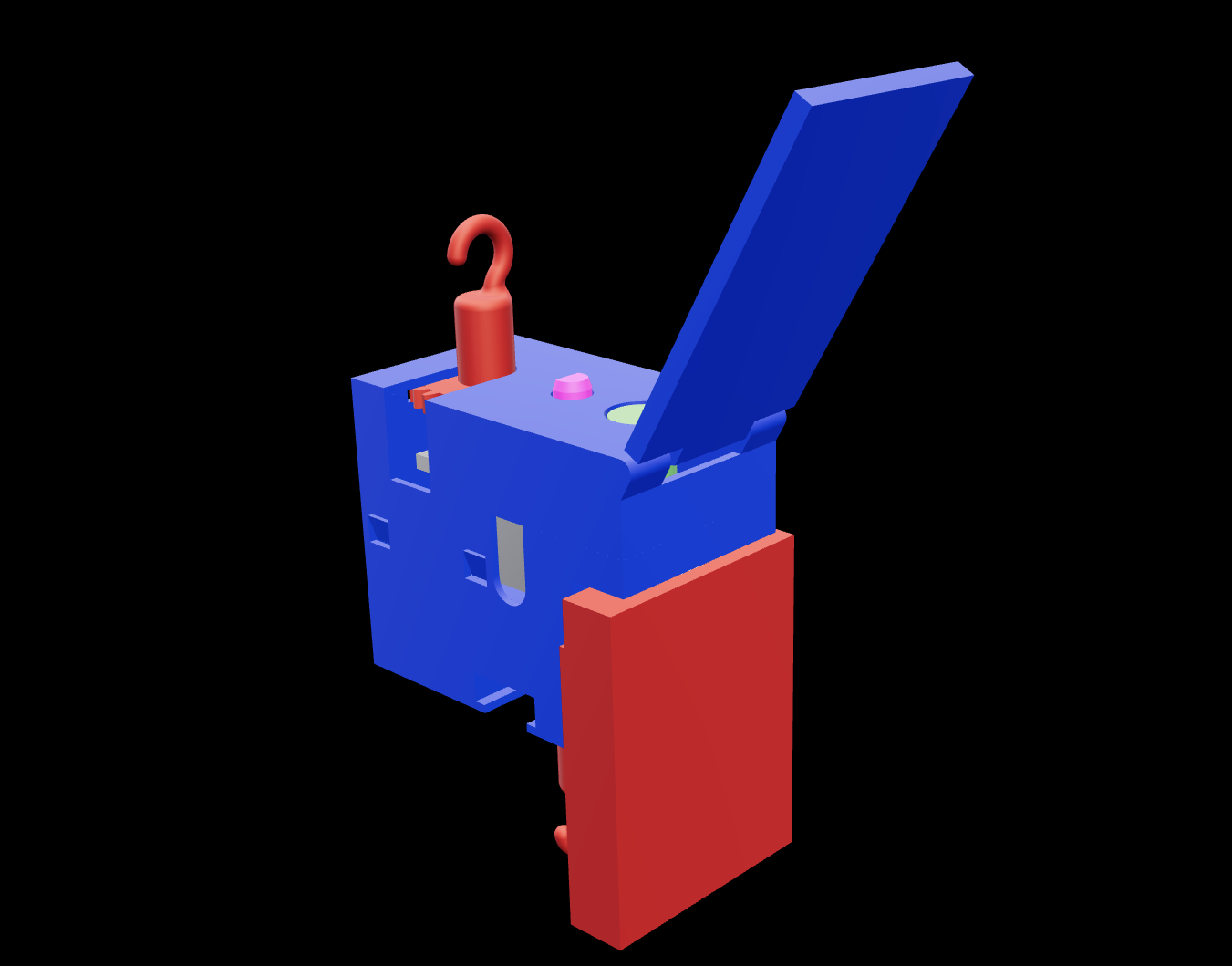
Read case study →Full-stack IoT smart blinds — ESP32-C6 firmware, an Express + Socket.IO backend, and a Flutter app, with BLE-only provisioning and end-to-end calibration. Solo.
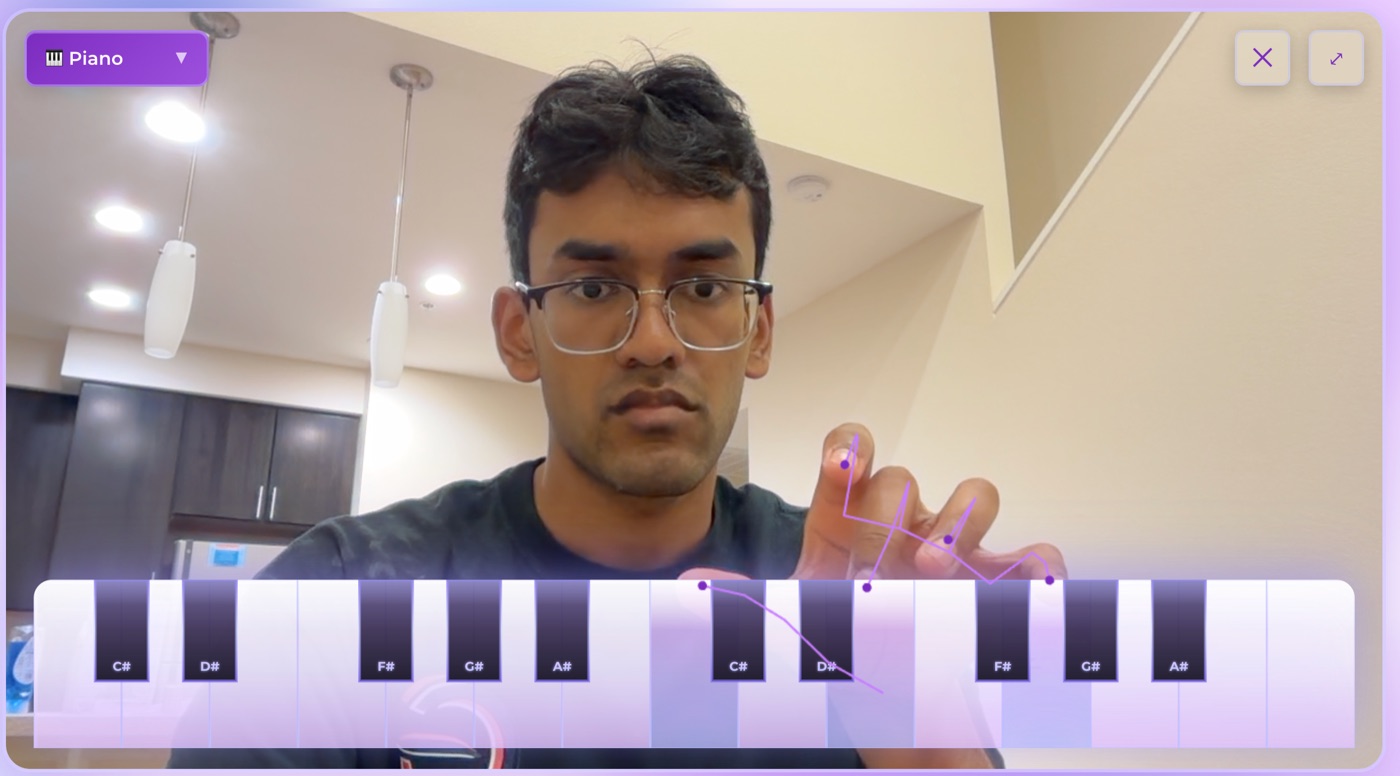
Read case study →A browser-based instrument simulator with hand tracking so you can see and hear yourself play before buying. "Most Risky Hack" at the TVG Vibeathon.
Read case study →Embedded software, robotics research, and controls — across industry, university labs, and student engineering teams.
Windows on Snapdragon. Extending device drivers to handle multiple clients and building a testing framework for a laptop hinge sensor — driver/OS-level work.
ROS system using the Spinnaker SDK to pull frames from networked FLIR Blackfly S cameras, fuse multiple views, and output global pose estimates for people and robots — toward a markerless multi-camera calibration pipeline.
Leading control-algorithm development and a reinforcement-learning pipeline for the HEMS levitation system.
Resolved 5+ software problem reports across FCS code and low-level tests; built a Python tool that migrated ~1000 high-level tests and comms databases between environments, saving an estimated 6–12 months of manual work.
Built the LiDAR SLAM + map-based localization stack (Open3D / KISS-ICP), reaching sub-5 cm localization accuracy via combined ICP and feature matching.
Monocular localization pipeline for the Sentry robot using OpenCV SolvePnP; tested odometry methods for tighter positioning.
Product-dev intern on the KneeStim rehab device; circadian-rhythm biochemistry research; and co-captain of a state-championship-debut FTC robotics team.
"Aditya is a pleasure to work with and has excellent engineering skills… he developed full software-lifecycle solutions for our flight control computer software, exhibited agile thinking, and took initiative to suggest and implement additional improvements."
— Steve Feenstra, Flight Controls Software Lead / Staff Software Engineer, Bell Flight
ECE Honors coursework at UT Austin — embedded systems, computing, signals & circuits, and the math underneath. All A's (4.00).
Foundational calculus, engineering physics, and university core requirements were cleared through AP and transfer credit (26 hours).
Tap any skill to see the projects and courses where I put it to use.